
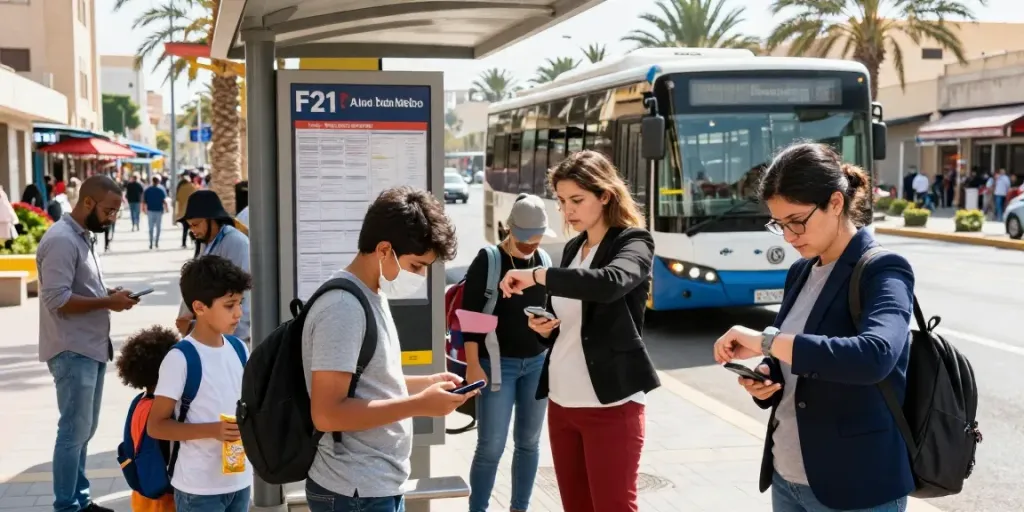
Understanding the F21 Bus Route: Key Features and Benefits
The F21 Bus Route stands out as a crucial transit line within Dubai's expansive public transportation network. Operating between Al Nahda Metro Station and various key destinations, it serves a vital role in connecting commuters to significant areas within the emirate. Understanding the intricacies of this route not only enhances daily commutes but also empowers residents and visitors to navigate the city efficiently. Travelers seeking detailed information about the F21 Bus Route will find valuable resources to plan their journeys effectively.
What is the F21 Bus Route?
The F21 bus is part of the Dubai Roads and Transport Authority (RTA) system, designed to facilitate the movement of people across key neighborhoods and commercial hubs. This bus line is particularly significant as it operates on a circular route, making it easier for passengers to access various essential services without needing to transfer to different buses or modes of transportation. The F21 route connects local landmarks, educational institutions, and healthcare facilities, thus serving the community's diverse needs.
Major Stops and Connections
The F21 Bus Route includes numerous strategic stops, among them:
- Al Nahda Metro Station
- Ministry of Information
- Stadium Metro Station 2
- Al Nahda 1, DEWA 1
- NMC Hospital
- Al Maaref Private School
These stops are not only integral for daily commuters but also promote seamless connections to other transportation services, such as the Dubai Metro, enhancing the overall mobility across the city. Given its circular path, the F21 route ensures efficient travel options for local citizens and tourists alike.
Benefits of Using the F21 Bus in Dubai
Riding the F21 bus presents numerous advantages:
- Cost-Effective: Public transport is typically cheaper than taking taxis or rideshares.
- Environmental Impact: Utilizing public transport reduces the carbon footprint compared to individual car usage.
- Convenience: The fixed schedule and multiple stops make it easy to plan journeys.
- Accessibility: Designed to accommodate all passengers, including those with mobility challenges.
These benefits not only enhance the commuter experience but also contribute to a more sustainable urban environment.
Best Practices for Commuters on the F21 Bus Route
Planning Your Journey Effectively
Effective journey planning requires understanding the F21's schedule and route. Commuters should familiarize themselves with the timing and frequency of bus arrivals at their preferred stops. Utilizing available resources, such as RTA's official platform and mobile apps, can significantly enhance planning efforts.
Real-Time Updates and Apps
In today's digital age, staying updated with real-time information is paramount. Various transit apps, including the RTA's official app, provide live updates on bus locations, arrival times, and changes to the schedule. Users are encouraged to take advantage of these technologies for a smoother commuting experience.
Safety Tips while Commuting
Safety should always be a top priority while commuting. Riders should follow guidelines such as:
- Keep personal belongings secure and within sight.
- Be aware of surroundings, especially during busy hours.
- Use designated bus stops and wait areas.
- Always report any suspicious activity to transport staff.
By following these simple safety protocols, commuters can help ensure their journeys are both secure and enjoyable.
Challenges Riders Face on the F21 Bus Route
Common Misconceptions about Public Transport
Despite the various advantages public transport offers, misconceptions often deter potential users. Many believe that public transportation is unreliable or uncomfortable, which is often unfounded, especially with well-maintained services like the F21 bus. It is essential to challenge these myths and encourage broader acceptance of public transit options.
Peak Hours and Crowding Issues
Commuters should be prepared for peak hours, particularly during morning and evening rush times when crowding is common. Planning travel during off-peak hours can enhance comfort and reduce waiting times. Awareness of the busiest times can help riders avoid the stress of overcrowding.
Access and Mobility Considerations
For individuals with disabilities or mobility challenges, access to public transport can pose additional hurdles. The F21 bus route aims to bridge these gaps with facilities designed for enhanced accessibility. Riders should always verify that their stops are equipped with necessary amenities before traveling.
Future Trends Impacting the F21 Bus Route
Technological Innovations in Public Transit
The future of the F21 Bus Route looks promising with anticipated technological advancements. Innovations such as real-time tracking, automated schedules, and enhanced communication systems are expected to streamline operations and improve service delivery.
Environmental Considerations for Urban Buses
As global awareness of environmental issues increases, public transport systems are moving toward sustainability. The integration of electric buses and environmentally friendly practices may soon become standard for routes like the F21, contributing to a greener Dubai.
Predictions for Transit Development in 2026
Looking ahead to 2026, the F21 Bus Route could see significant enhancements in service and efficiency. With continued investments in infrastructure and technology by the RTA, commuters can expect a more reliable and user-friendly experience. Improved services will likely encourage more residents to choose public transport as their primary mode of travel.
Frequently Asked Questions about the F21 Bus Route
What are the operating hours of the F21 Bus Route?
The F21 Bus operates from early morning until late in the evening, with specific times varying based on the day of the week.
How do I find the nearest F21 Bus Stop?
Finding the nearest F21 bus stop is easy with the help of the RTA's mobile app or website, which provides detailed maps and location services.
Are there any discounts available for frequent riders?
Yes, frequent travelers can benefit from various discount programs offered by the RTA to incentivize regular use of public transportation.
Can I use a Metro card for the F21 Bus Route?
Absolutely! The RTA Metro card is valid for the F21 bus, making it convenient for commuters who use both systems.
What safety measures are in place for passengers?
The RTA ensures that all buses, including the F21, are equipped with surveillance cameras, emergency communication systems, and trained staff to uphold passenger safety.